How Developers Tackle Inflation from Gold Sellers
11 March 2026
In the pixelated worlds we escape to, there's often something sinister bubbling beneath the surface — not a fire-breathing dragon or a hidden boss dungeon, but something far sneakier: virtual inflation. And no, we're not talking about inflating balloons in party-themed minigames. We're talking about the kind that can wreck an economy — virtual or not — and it’s usually fueled by gold sellers. So how do developers tackle this creeping chaos?
Pull up a chair, adventurer. We're diving deep into the shadowy bazaar of MMORPGs, free-to-play fantasies, and the behind-the-scenes wizardry developers work to keep the in-game economy intact.
🎮 What’s the Deal with Gold Sellers?
Let’s break it down quick and clean. Gold sellers are players (or bots) who hoard massive amounts of in-game currency and sell it to other players for real-world money. Sure, it sounds like a black-market bargain — who wouldn’t want a mountain of gold without grinding for 200 hours?But there's a catch.
The economy inside games works just like ours. If everyone suddenly had millions, what happens? Prices skyrocket. Newbies can’t afford basic gear. Veteran players get richer. Balance goes out the window. Essentially, the world crumbles — just with more dragons and fewer tax collectors.
🛑 Why Inflation Is a Big, Big Problem in Games
Think of in-game inflation like pouring water into a glass of soda. Slowly, the fizz — the excitement — starts to fizzle out. The more gold floating around, the less it’s worth. Players who grind honestly feel cheated, and new players don’t stand a chance.A sword that once cost 10 gold now sells for 10,000. Daily quests give out copper when players need silver. It’s a mess — and nobody wants to play inside a broken, bloated economy.
But hey, that’s where game devs roll up their sleeves and get to work.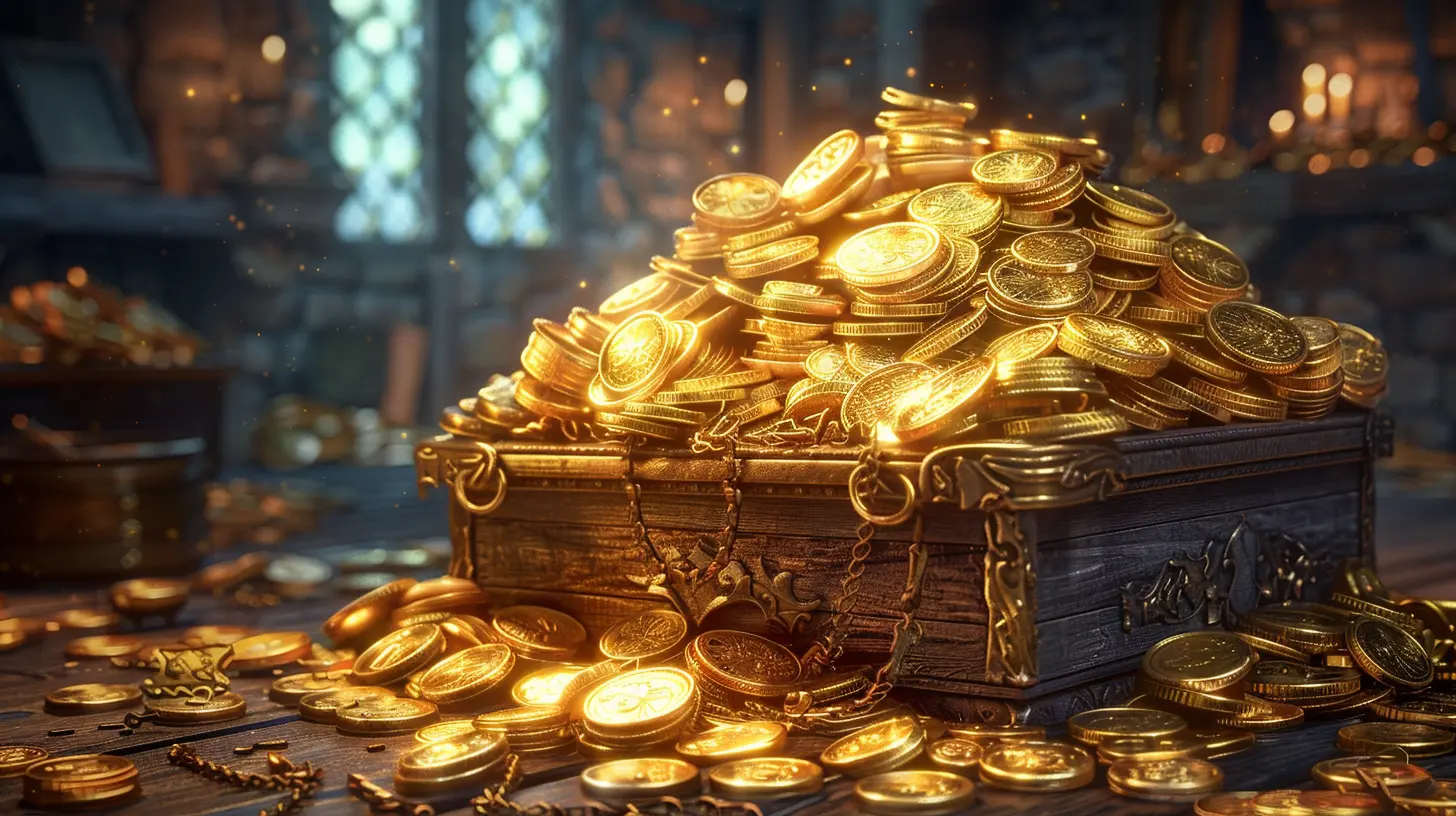
⚔️ The Developer’s Arsenal: Fighting Back Against Gold Sellers
Game developers are like digital economists and dungeon masters rolled into one. Their mission? Keep the in-game economy breathing. Let’s peek into their bag of tricks and see how they fight inflation from gold sellers.1. 🧠 Smarter Game Design
One of the first lines of defense? Game mechanics designed to limit gold farming. Developers craft systems that reward effort, not exploitation.Think random loot drops, limited daily rewards, soul-bound gear, and activities that can’t be botted. They’re like building dungeons with anti-bot traps. These systems make it harder for gold sellers to farm endlessly.
Some games even swap traditional gold with unique currencies for high-end gear. That way, no matter how much gold someone buys, they can't skip the grind. Clever, right?
2. 👮 Automated Bot Detection
Ever seen a character zig-zagging oddly across the map non-stop? Chances are, that’s a bot. Bots are the foot soldiers of the gold-selling empires. Developers deploy anti-bot software that monitors player behavior for suspicious activity — think of it like in-game CCTV.Bots farm 24/7, never chat, and often follow mechanical routes. Once detected, they’re kicked faster than a newbie in a hardcore guild raid.
Machine learning also plays a part — algorithms sniff out patterns that don’t match human play. It’s like catching ghosts in the machine.
3. 🚫 Ban Hammers and Account Wipes
When prevention fails, punishment follows. Developers wield the legendary ban hammer to rid the land of gold sellers and buyers alike.Yes, even buyers. Some devs publicly shame them or reset their gold and gear. Harsh? Maybe. But it sends a message: cheating the system has consequences.
Games like RuneScape, World of Warcraft, and Final Fantasy XIV have notorious ban waves that raze entire bot networks overnight. It’s like Thanos snapping his fingers, but for fraud accounts.
4. 🔄 Gold Sinks — Drains for the Overflow
You’ll love this one. Ever wonder why some in-game mounts cost a jaw-dropping 1 million gold? That’s a gold sink. It’s an intentional feature designed to suck excess currency out of the economy.Auction house fees, expensive cosmetics, mounts, housing upgrades — all cleverly placed to tempt rich players into spending their mountains of gold. The goal? Keep the gold circulating, not stagnating.
Gold sinks are like digital taxes — but ones you actually don’t mind paying because you get cool stuff in return.
5. 🌐 Controlled Marketplaces
Some games go one step further. Instead of trying to stamp out real-money trading (RMT), they embrace and regulate it. Wild, huh?Games like EVE Online and World of Warcraft introduced official ways to buy in-game currency using real money, but through safe, dev-approved systems. This undercuts shady sellers and keeps everything above board.
It’s like dealing with inflation by building a legal gold exchange. Everyone wins — players get what they want, and devs keep control.
6. 🕵️ Community Reporting Systems
You’d be surprised how many gold sellers get caught by players themselves. Developers empower their communities with tools to report suspicious activity.In some games, reports flag accounts for review. Others gamify it, rewarding players for busting bots. It becomes a cat-and-mouse game where players act like undercover agents.
And let’s be honest — who doesn’t want to play cop in their favorite MMO for a minute?
7. 📉 Dynamic Economies and Price Scaling
To tackle inflation more subtly, some devs build dynamic economies. These systems adjust prices based on supply and demand — just like the real world.If too much gold floods the market, prices on NPC vendors increase. Quest rewards can scale, auction house taxes can rise, and crafting materials can fluctuate in value.
It’s like the game self-adjusts, bending with the wind instead of breaking in a storm.
🧪 Case Studies: What Works, What Doesn’t
Let’s take a peek at how some of the big-name games tackled gold seller-driven inflation.🌌 World of Warcraft
Blizzard’s beloved titan introduced the WoW Token, letting players buy gold from other players legitimately with real cash. As gold farming became less profitable for sellers, the black market took a hit — hard.They also cracked down with regular ban waves and sophisticated anti-bot software. Thousands of accounts wiped in a single swoop? That’s how you scare off the gold cartel.
🏰 RuneScape
Jagex’s enduring MMO declared war on bots with a fiery vengeance. They used everything from IP banning to behavioral tracking, even updating game mechanics to make botting less viable.Their community reporting was legendary — entire forums existed just to track gold farming behavior. It was like digital vigilantism meets economic policy.
🚀 EVE Online
CCP Games reached deeper into the sandbox by creating a player-driven economy where ISK (the in-game currency) was tightly regulated. They introduced PLEX — a legal way to buy currency — and implemented one of the most complex economic systems in gaming.In EVE, economics is the game. Gold (or ISK) sellers? They don’t stand a chance against corporate espionage and space market manipulation.
👨💻 Why It’s an Ongoing Battle
Here’s the truth: gold sellers aren’t going anywhere. As long as there’s demand, someone will try to monetize that need.But developers aren’t giving up either. With evolving tools, better AI, tighter regulations, and sneakier gold sinks, they’re keeping the economies more stable than ever.
It's cat versus mouse. Wizard versus warlock. Every update is a battle. But it’s a war worth fighting — for the love of fair play, balance, and the thrill of earning your place in a game’s world with hard work, not credit card swipes.
🧠 What Can YOU Do as a Player?
You’re not powerless in this battle either.- Don’t buy gold. Seriously. It ruins the game for everyone.
- Report suspicious activity. Strange pathing, 24/7 farming, or shady trade behaviors? Flag ‘em.
- Support the devs. Whether it’s through subscriptions, cosmetics, or just not cheating — you help keep the world spinning.
Remember, your actions shape the game just as much as any patch note.
🏁 Wrapping It Up
Gold sellers might seem like just another part of online games, but their impact is massive — and often invisible until it’s too late. Inflation wrecks economies, breaks fairness, and robs players of meaningful progression.But developers aren’t sleeping on it. From ban hammers and gold sinks to regulated markets and smarter game design, they're constantly evolving — because at the heart of every game is a delicate ecosystem worth protecting.
So next time you see a shiny new sword going for 999,999 gold, ask yourself: is it because someone cheated the system?
Or is it just another sign of a fight still raging beneath the surface?
all images in this post were generated using AI tools
Category:
In Game EconomyAuthor:

Jack McKinstry
Discussion
rate this article
2 comments
Beatrice Brooks
Inflation in gaming? Looks like those gold-selling goblins are charging more than my coffee! If only developers could just hit 'Ctrl + Z' on the economy. Guess we’re all farming for fun and not funds now!
March 23, 2026 at 4:25 AM
Jack McKinstry
You're right, it feels like those goblins are really cashing in. Balancing in-game economies is tougher than it looks. Let's hope developers find a smart way to tackle this!
Evangeline McCabe
Developers implement strict measures to combat inflation caused by third-party gold sellers.
March 18, 2026 at 5:15 AM
Jack McKinstry
Thank you for your comment! Developers indeed take strong actions to mitigate inflation by enforcing policies against third-party gold sellers, ensuring a balanced in-game economy.