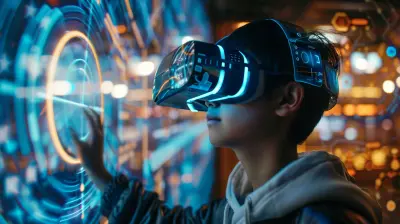
The Future of AR Game Monetization and In-App Economy
6 September 2026
Have you ever played an AR (Augmented Reality) game and thought, “How do these developers make money from this?” If so, you’re not alone. Augmented reality games have come a long way since Pokémon GO took the world by storm in 2016. But while the fun, interactive experience is front and center, there’s a whole world behind the scenes that keeps these games alive and thriving — the economy.
Let’s dive deep into the future of AR game monetization and how the in-app economy is transforming in ways that will blow your mind.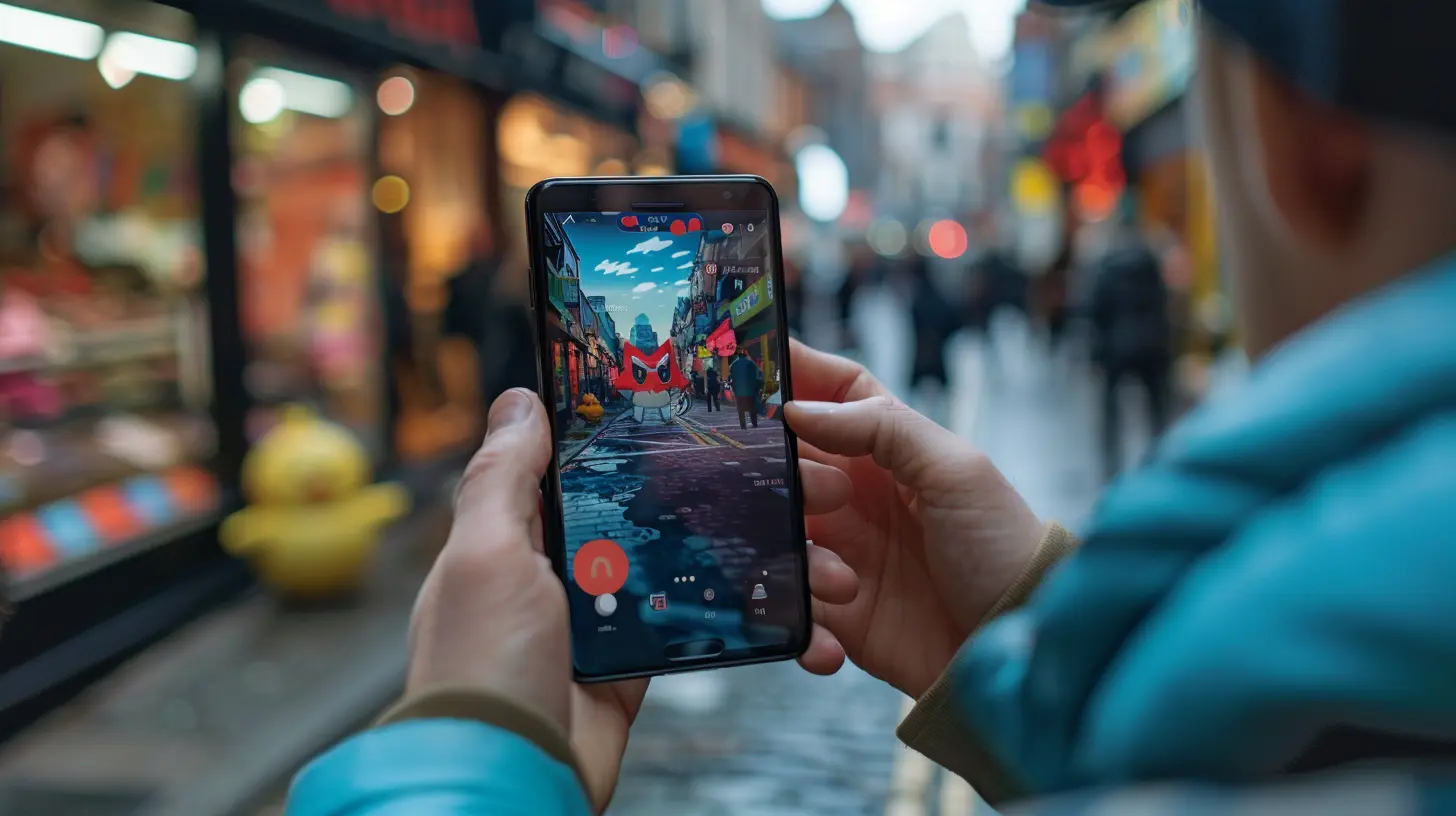
What Makes AR Games So Different?
Before we talk dollars and cents, let’s get one thing straight: AR games are not your average mobile games. They blend physical and digital worlds in a way that creates a whole new dimension of gaming.Remember when you were a kid and used your imagination to pretend the floor was lava? Well, AR takes that imaginary world and overlays it with real-time graphics through your smartphone or AR glasses. That's what makes the monetization model so tricky yet full of opportunity.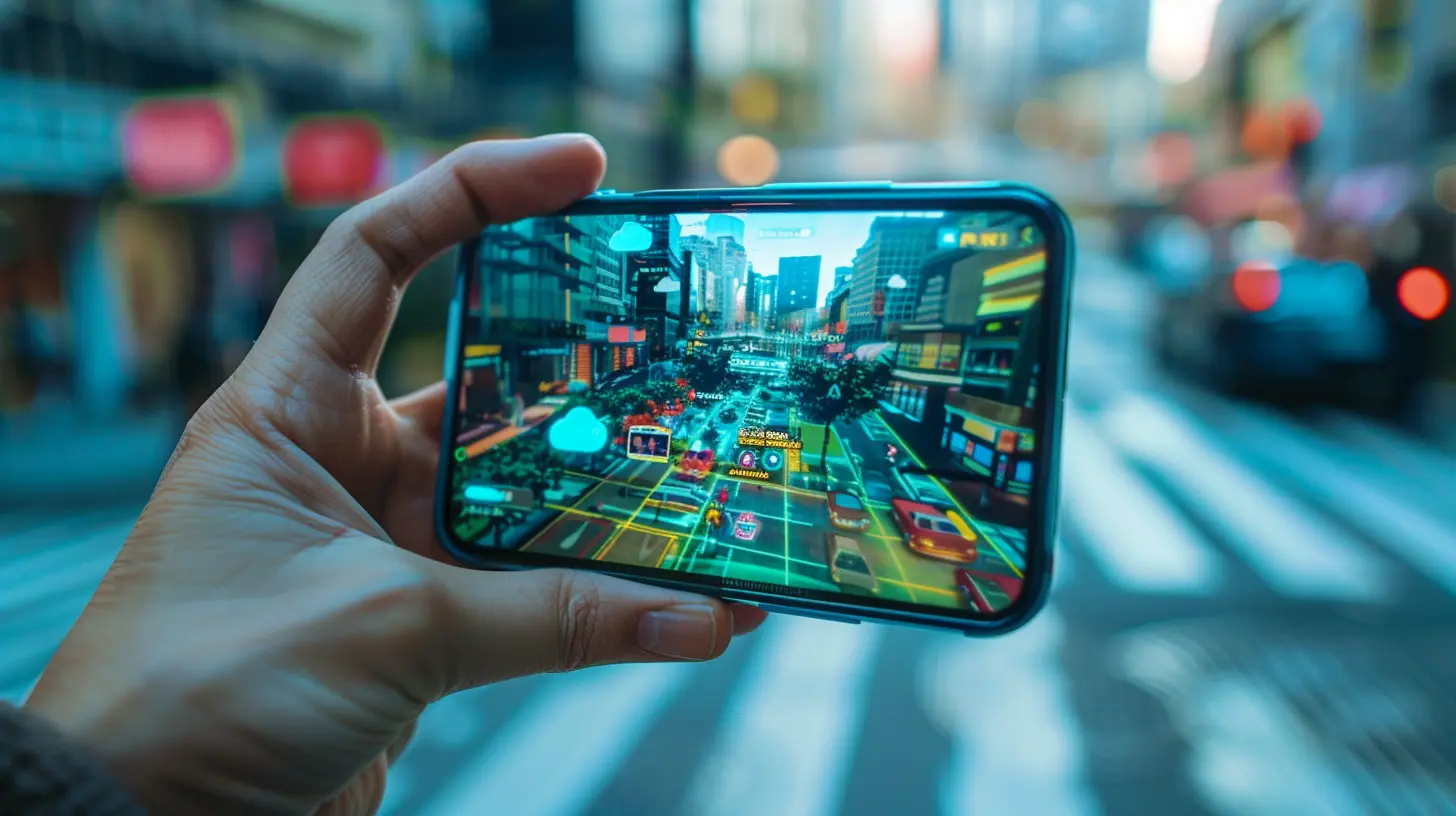
The Current Landscape of AR Game Monetization
Right now, monetization in AR games leans heavily on a few primary methods:- In-App Purchases (IAPs): Items like skins, avatar upgrades, power-ups, and exclusive content.
- Ad-Based Revenue: Pop-up ads, rewarded video ads, and banners.
- Subscription Models: Premium access, ad-free experiences, or exclusive virtual items.
- Brand Partnerships and Sponsorships: Real-world businesses paying for visibility within the game (remember how Starbucks became a PokéStop? Genius!).
But here’s the catch—AR games need to integrate these opportunities seamlessly. Nobody wants their immersive experience interrupted by a poorly placed ad or feel like the game is just a cash-grab. So what’s changing?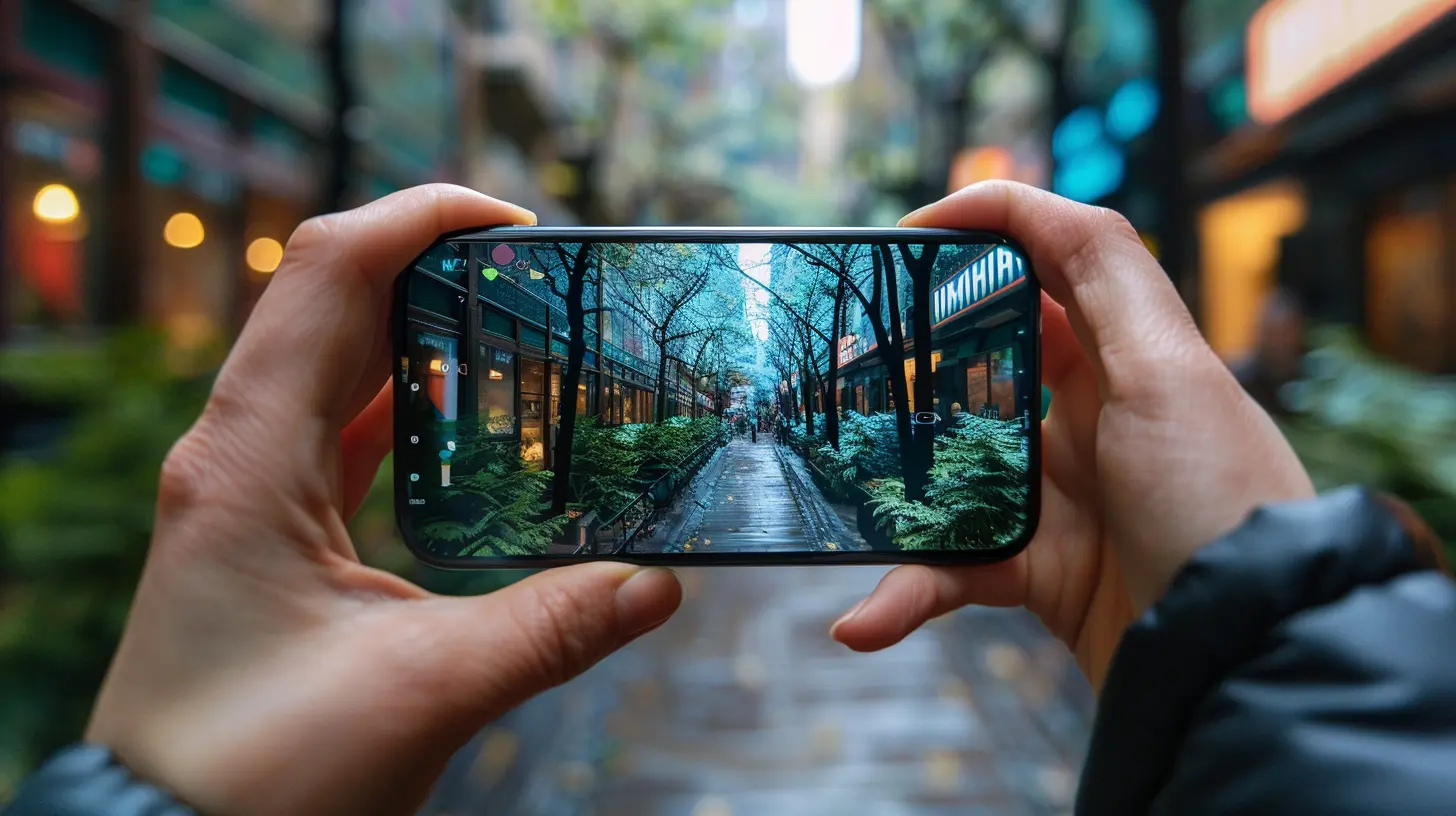
Augmented Reality Is Growing Up
AR isn't just a gimmick anymore. It’s maturing, and so are its monetization strategies. We’re talking next-level experiences that go beyond catching virtual creatures in the park.More Immersive, More Value
As AR tech evolves — with better graphics, smarter AI, and more intuitive interfaces — players are willing to spend more money for a better experience. Think virtual companions that react to your surroundings or AR bosses that invade your living room. That’s not just fun — it’s worth paying for.User-Generated Content (UGC) - A Game-Changer
Expect the rise of UGC in AR games. When players can create and monetize their own in-game content (maps, challenges, even digital art), it opens up a player-driven economy. It’s like YouTube meets Pokémon GO. Players make content, others consume it, and the platform takes a cut. That’s a win-win.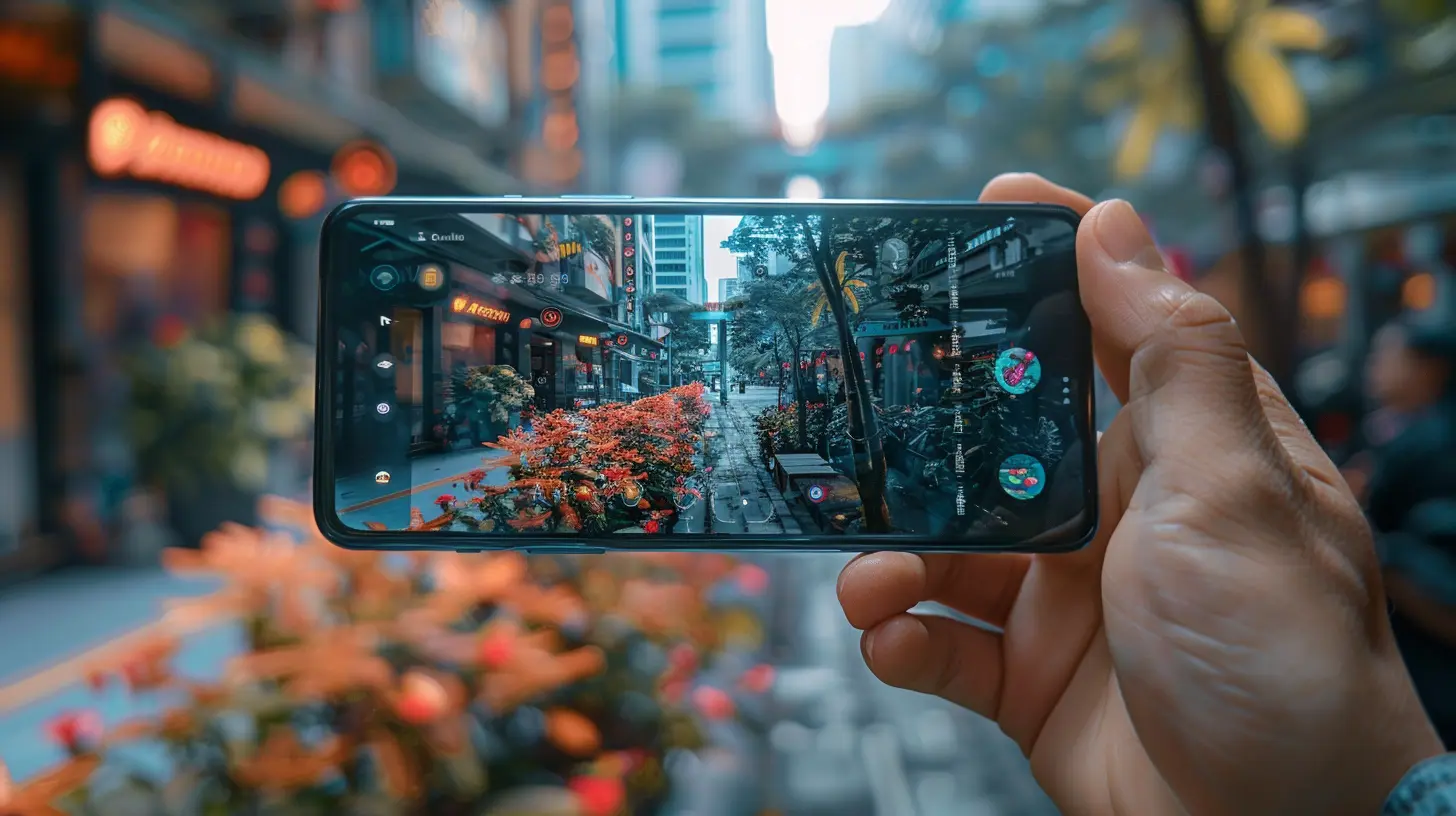
The Shift Towards Micro-Moments of Engagement
Let’s be real — attention spans are short. With AR, every moment of interaction counts. That’s why the future of AR games will rely heavily on micro-moments that enhance the core gameplay without becoming intrusive.Rewarded AR Experiences
Imagine this: you’re hunting for virtual treasure in an AR scavenger hunt, and suddenly you’re offered a hint — in exchange for watching a 15-second AR ad that feels like part of the game. That’s smart monetization.In-World Purchases, Not In-App
Instead of pausing the game to head into a menu and buy a power-up, how about just tapping on a virtual store that appears next to your real-world supermarket? That’s the magic of spatial commerce. And it’s coming faster than you think.What About the In-App Economy?
The in-app economy is the backbone of any successful game. In AR, it's even more critical — because your purchases literally have a place in your world.Virtual Goods with Real-World Impact
Remember when people laughed at paying money for virtual clothes for digital avatars? They’re not laughing anymore. Players now invest seriously in digital assets that reflect their personality, status, and skill.In AR, these assets feel even more tangible. You can show off your custom sword in real-life parks or wear your rare armor while eating at a food truck. That type of emotional connection fuels spending.
Tokenization and Blockchain Integration
As wild as it sounds, blockchain could be the lifeline for AR economies. Imagine truly owning your digital items — backed by NFTs and traded across different platforms. That’s not just game-changing; it’s reality-changing.Players could:
- Sell rare items they’ve earned.
- Trade AR real estate in popular virtual zones.
- Earn crypto rewards for completing missions.
This introduces a new layer of value exchange between players and developers.
Monetization That Respects the Player
Here’s the thing: People are more willing to spend when they feel respected.Future monetization will lean into:
- Transparency – No sneaky charges or manipulative design.
- Value-Based Spending – Players buy things that enhance their experience, not just to win.
- Emotional Engagement – The more attached someone feels to their AR world, the more they’ll invest in it.
Games that understand their players — their habits, preferences, and emotions — will be the ones that thrive.
Brands and AR: A Match Made in Marketing Heaven
Let’s not forget the big players: brands.AR allows for creative, interactive brand experiences.
- Virtual Nike shoes you can try on your avatar.
- Digital Red Bull wings that let your character fly for 10 minutes.
- Branded quests where players visit real stores for exclusive loot.
This opens up ad revenue that feels more like fun than a commercial. It integrates marketing into gameplay in ways that players actually enjoy.
The Role of Wearables and AR Glasses
Phones are cool, but let’s be honest — they’re not built for extended AR sessions. That’s where wearables like AR glasses come in.When devices like Apple Vision Pro or Meta Quest 3 become mainstream, monetization will shift dramatically. Why?
- Longer play sessions
- More immersive displays
- Hands-free interactions
This can lead to new monetization streams:
- Paid overlays
- Contextual upgrades (like weather-based power-ups!)
- Real-time collaborative events with ticket sales
Imagine paying $5 to join a global AR boss battle event while chilling in your backyard. Yeah, sign us up.
Challenges on the Horizon
Sure, it all sounds exciting, but nothing comes without a few hiccups.Privacy Concerns
AR games collect a lot of data — location, surroundings, even facial recognition. Balancing monetization with ethical data usage is going to be a major challenge.Players want awesome experiences, not constant surveillance.
Device Dependency
Not everyone has cutting-edge tech. Developers need to design monetization systems that work across various devices and don’t alienate casual gamers.Balancing Fair Play
Nobody wants pay-to-win mechanics. The best monetization systems are ones that reward skill and time as much as money.So, What’s Next?
If we peek into the crystal ball, the future of AR game monetization and its in-app economy looks explosively creative and player-centric.We’re heading toward a world where:
- Games adapt to your surroundings in real time
- Players earn real-world value from virtual activities
- Brands become partners in play, not distractions
- Spending feels organic, not forced
It’s not just about milking users for cash anymore. It’s about building ecosystems that reward engagement, creativity, and community.
Final Thoughts
AR gaming is more than a trend—it’s a revolution. And just like any revolution, how it’s funded and sustained will determine whether it thrives or fades.As developers, marketers, and players, we all have a hand in shaping what the future looks like. The good news? If done with care, empathy, and creativity, AR game monetization can enhance player experiences, not cheapen them.
So the next time you open your favorite AR game, just know — you’re not just playing. You’re stepping into a new world where fantasy meets finance. And honestly? That’s pretty epic.
all images in this post were generated using AI tools
Category:
Augmented Reality GamesAuthor:

Jack McKinstry
Discussion
rate this article
1 comments
Giovanna McCartney
Exciting times ahead for AR games and players!
September 14, 2026 at 3:44 AM
Jack McKinstry
Absolutely! The potential for innovation in AR games is huge, and players are in for some amazing experiences.